
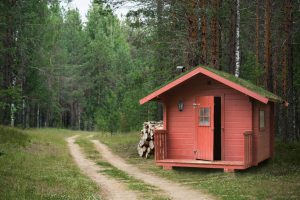
Moving a shed or cabin during the winter months is completely doable, but it does take extra thought and preparation. Northern Idaho and the Greater Spokane Area are known for their heavy snow, slick roads, early freeze, and unpredictable storms, which all play a role in how smoothly a move will go. At Outback Transport LLC, we move portable buildings year-round, so we know what it takes to get a structure from point A to point B safely once winter sets in. If a cold season move is on your calendar, here is what to plan for and how to make the process easier for everyone.
Make Sure Snow and Ice Are Cleared Before We Arrive
One of the biggest winter challenges is simple access. Our equipment needs enough room to back in, load, and maneuver around your building. Deep snow, packed ice, or even small piles from the plow can slow things down or make the path unusable.
Before move day, try to:
- Clear a wide path around your building
- Remove snow from the loading and staging areas
- Sand or gravel any icy spots
It does not have to be perfect but giving us a clean approach helps us load the building quickly and safely.
Pay Attention to Ground Conditions
Winter ground conditions change constantly. Sometimes the ground is frozen solid and creates a firm base for equipment. Other times a warm spell turns the soil soft again, creating mud and unstable spots.
Watch out for:
- Ground that is frozen unevenly
- Deep ruts or mud from thaw cycles
- Ice-covered slopes that may cause equipment to slide
- Low areas where melted snow refreezes into slippery patches
If something looks questionable, let us know and we can plan the best route into the area.
Protect Your Doors, Windows, and Exterior Features
Cold wind, snow, and road slush can be hard on a building during transport. Even short moves can expose your cabin or shed to strong gusts and moisture.
To keep your building protected:
- Secure all windows and doors
- Tighten or remove loose trim or exterior hardware
- Cover exposed wood or unfinished surfaces
- Remove anything breakable inside that could shift during the move
Simple prep now helps avoid damage later.
Build Flexibility into Your Schedule
Winter weather does not always cooperate. Snowstorms can move in quickly. Roads may close. Ice can linger on mountain passes. We always monitor conditions closely because safety comes first.
Be prepared for the possibility that we may need to:
- Adjust the date
- Change the start time
- Choose a safer route
- Wait for roads to be cleared
We will always communicate changes as soon as possible and work with you to keep the project on track.
In Yard Moves Versus Longer Winter Transport
Some winter moves never leave the property. Others travel across county lines, over mountain passes, or even from Idaho into Washington or Oregon. The type of move affects how much prep is needed.
In Yard Winter Moves
These are usually quicker, but weather still matters. Make sure:
- Snow between the two spots is cleared
- The new pad or location is prepped and level
- Low tree branches heavy with snow are trimmed
- The yard is safe for maneuvering equipment
- Even a short move can get complicated if the area is slick or uneven.
- Cross County or Mountain Moves
These take more coordination. The building may travel through snow zones, icy highways, and areas with chain requirements.
Longer winter moves involve:
- Pilot car coordination
- Checking road reports and closures
- Planning backup routes
- Watching wind speeds on open highways
- Longer loading and unloading times due to cold weather
- These details help us get your building delivered safely despite winter conditions.
- Preventing Winter Damage During Transport
A building traveling down the highway in winter is exposed to wind, cold air, slush, and road spray. Taking precautions ahead of time helps protect your cabin or shed.
- Closing and sealing vents
- Removing lightweight items inside the structure
- Securing roofing edges
- Wrapping vulnerable materials for extra weather protection
Our team will also look over the building before loading to make sure everything is ready for the trip.
Safety Comes First for Everyone
Winter brings hazards that are easy to overlook. Snow on steps, ice around the building, and slippery walkways can make the area tough to navigate. Clearing the work zone helps keep you and our crew safe while we prepare the building for transport.
Once the site is safe, we handle all the lifting, loading, and moving. When weather, preparation, and access all come together, even a winter move can go smoothly.
Winter Moves Are Possible with the Right Preparation
A winter shed or cabin move requires more planning than a summer one, but it is manageable when everyone works together. Outback Transport LLC moves buildings across Northern Idaho and Eastern Washington all season long, and we are happy to help you prepare for a safe and successful relocation. If you are planning a winter move, reach out early so we can look at the conditions, choose a good time, and walk you through the steps. With the right groundwork in place, your building will be loaded, transported, and set up safely even in snowy weather.
Contact Outback Transport LLC at 208.490.1482 today or visit us online for more information!
Leave a Reply