
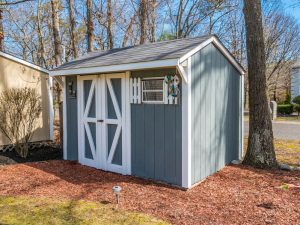
When people think about moving a shed or cabin, they often focus on the building itself. Size, weight, and access are all important, but timing is just as critical. In North Idaho and the Spokane area, spring and fall often provide the best overall conditions for relocating portable buildings safely and efficiently.
These seasons tend to offer the right balance of weather, ground stability, and scheduling flexibility. If you are planning a move, understanding why spring and fall work so well can help you avoid delays and unnecessary complications.
Ground Conditions Are More Move Friendly
One of the biggest challenges in moving a portable building is what is happening under the tires and skids. Soft ground, frozen soil, or excessive dust can all create problems during transport.
Spring Ground Considerations
As winter ends, frozen ground begins to thaw and moisture levels slowly balance out. After early spring runoff has passed, the soil often firms up enough to support transport equipment without being overly hard or muddy.
This makes spring a good time to move buildings on rural properties, wooded land, or gravel access roads that might be difficult to navigate later in the year.
Fall Ground Conditions
Fall offers similarly dependable ground conditions. Summer heat has dried out soft areas, and cooler temperatures help maintain firmness in soil and gravel surfaces.
For many customers, fall provides consistent footing for both loading and placement, especially on properties where access can be limited.
Milder Weather Improves Safety and Efficiency
Weather plays a major role in portable building transport. Wind, rain, snow, and extreme temperatures can all affect safety and scheduling.
Spring Weather Advantages
Spring often brings mild temperatures and stretches of calm weather between storms. These windows allow crews to plan moves more accurately and complete transports without rushing.
Cooler air is also easier on equipment and reduces strain during lifting and positioning. Compared to summer heat, spring conditions help keep everything running smoothly.
Fall Weather Stability
Fall is often one of the most dependable seasons for moving sheds and cabins. Rain tends to be lighter, winds are usually manageable, and snow has not yet arrived.
Clear days and cooler temperatures make it easier to handle wide loads and ensure safe travel along rural highways and back roads.
Scheduling Is Often Easier Outside Peak Seasons
Another benefit of spring and fall is availability. Summer is busy for construction, land development, and property improvements, while winter weather can limit scheduling options.
Spring Availability
In spring, many people are just beginning their projects. This often allows for better scheduling flexibility and more options if weather requires small adjustments.
Spring is also a common time to move buildings before starting new construction, such as clearing space for a foundation or repositioning a structure on the property.
Fall Timing Benefits
Fall is ideal for those who want to complete a move before winter conditions set in. While demand remains steady, schedules are often easier to coordinate than during the height of summer.
Customers purchasing used sheds or cabins also find fall to be a practical time to relocate their building before snow and freezing temperatures arrive.
Less Impact on Your Property
Protecting your land is an important part of any building move. Poor timing can lead to ruts, damaged lawns, or torn up gravel driveways.
Spring and fall conditions help reduce these risks. Firmer soil and cooler temperatures limit ground disturbance and make cleanup easier after the move. This is especially important for residential yards and shared access roads.
Tips for Planning a Spring or Fall Move
Even during ideal seasons, preparation helps everything go smoothly.
Prepare Access Ahead of Time
Clear paths, trim branches, and remove obstacles well before moving day. In spring, check for lingering soft areas. In fall, remove leaves that may hide uneven ground.
Stay Flexible with Weather
Spring and fall weather can change quickly. A small amount of flexibility in scheduling helps ensure the move is done safely and efficiently.
Confirm Permits Early
Local permit requirements still apply regardless of season. Checking regulations in Idaho and Washington counties ahead of time helps avoid delays.
Prepare the Destination Site
Have the placement area ready before the building arrives. Whether it is skids, a pad, or a cleared area, preparation saves time and prevents last minute issues.
Experience Makes a Difference
While spring and fall offer great conditions, they also come with changing weather and ground conditions that require experience to manage properly.
At Outback Transport LLC, we understand how seasonal factors affect portable building moves throughout North Idaho and the Greater Spokane area. From sheds and utility buildings to cabins and specialty structures, proper timing and planning help ensure a safe, smooth relocation.
If you are considering moving a portable building, spring or fall may be the perfect time to get it done right. Contact Outback Transport LLC. at 208.490.1482 today or visit us online for more information!
Leave a Reply